Why Your Implants May Get Rejected by Your Mouth
Posted on 2/16/2026 by Martin Periodontics |
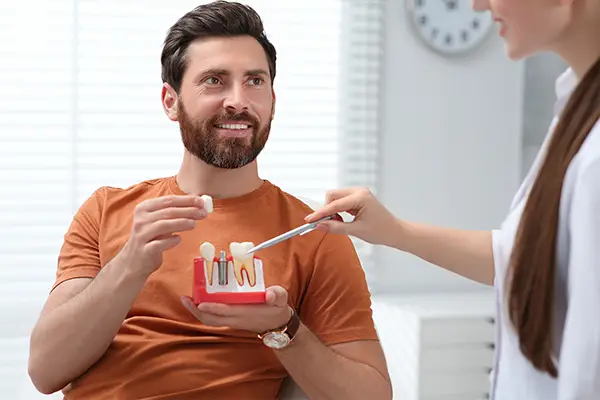 Dental implants are a popular choice for replacing missing teeth. They offer a number of advantages over traditional dentures, including a more natural appearance, improved function, and greater comfort. However, it is important to understand that dental implants are not always successful. In some cases, the body may reject the implant, which can lead to pain, swelling, and even bone loss. Dental implants are a popular choice for replacing missing teeth. They offer a number of advantages over traditional dentures, including a more natural appearance, improved function, and greater comfort. However, it is important to understand that dental implants are not always successful. In some cases, the body may reject the implant, which can lead to pain, swelling, and even bone loss.
There are a number of factors that can contribute to implant rejection. These include:
| • |
Poor oral hygiene: This is the most common cause of implant rejection. If you do not maintain good oral hygiene, bacteria can build up around the implant and cause an infection. This infection can damage the surrounding bone and tissue, making it more likely that the implant will be rejected. |
| • |
Smoking: Smoking can also increase the risk of implant rejection. This is because smoking weakens the immune system and makes it more difficult for the body to heal properly. |
| • |
Medical conditions: Certain medical conditions, such as diabetes and autoimmune diseases, can also increase the risk of implant rejection. |
| • |
Insufficient bone density: If you do not have enough bone density, the implant may not be able to properly integrate with the jawbone. This can lead to implant failure. |
| • |
Implant placement: The placement of the implant is also important. If the implant is not placed correctly, it may be more likely to be rejected. |
There are a number of things you can do to reduce the risk of implant rejection. These include:
| • |
Maintaining good oral hygiene: Brush your teeth twice a day and floss daily. You should also see your dentist for regular checkups and cleanings. |
| • |
Quitting smoking: Smoking is bad for your overall health, and it can also increase the risk of implant rejection. If you smoke, quitting is the best thing you can do for your health. |
| • |
Controlling medical conditions: If you have a medical condition that increases the risk of implant rejection, it is important to make sure it is well-controlled. This may require working with your doctor to adjust your medications or treatment plan. |
| • |
Getting enough bone density: If you do not have enough bone density, you may need a bone graft before you can get an implant. |
| • |
Choosing an experienced dentist: An experienced dentist will be able to place the implant correctly and minimize the risk of rejection. |
If you are considering getting dental implants, it is important to talk to your dentist about the risks and benefits. Your dentist can help you determine if dental implants are right for you and can provide you with information on how to reduce the risk of rejection.
Early Signs of Implant Rejection
If you experience any of the following symptoms, it is important to see your dentist right away:
| • |
Pain or swelling around the implant |
| • |
Bleeding or pus around the implant |
| • |
Loosening of the implant |
| • |
Receding gum tissue |
| • |
Bone loss around the implant |
These symptoms may be a sign that your body is rejecting the implant. If you see your dentist early, they may be able to save the implant. However, if the implant is rejected, it will need to be removed and replaced.
Conclusion
Dental implants are a complex procedure, and it is important to be aware of the risks involved. However, with proper care and planning, most patients can enjoy the benefits of dental implants for many years.
|
|




 (513) 445-4282