Reversing Bone Loss
Posted on 3/2/2026 by Martin Periodontics |
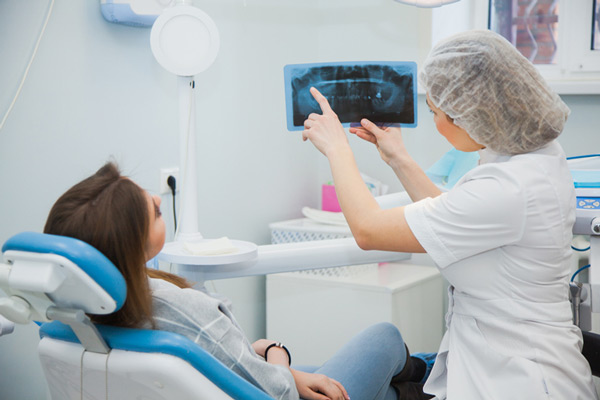 Have you ever heard the term "bone loss" in relation to your teeth and gums? It might sound scary, but understanding it is the first step in protecting your smile and overall health. Bone loss in the mouth, specifically around the teeth, is a common issue that can have significant consequences if left untreated. Fortunately, there are ways to manage and, in some cases, even improve bone density around your teeth. Let's dive into what causes bone loss and what you can do about it. Have you ever heard the term "bone loss" in relation to your teeth and gums? It might sound scary, but understanding it is the first step in protecting your smile and overall health. Bone loss in the mouth, specifically around the teeth, is a common issue that can have significant consequences if left untreated. Fortunately, there are ways to manage and, in some cases, even improve bone density around your teeth. Let's dive into what causes bone loss and what you can do about it.
What Causes Bone Loss in the Mouth?
The most common culprit behind bone loss is periodontal disease, also known as gum disease. This infection starts with plaque and tartar buildup on your teeth. If these aren't removed through regular brushing, flossing, and professional cleanings, they irritate the gums, leading to inflammation. Over time, this inflammation damages the tissues and bone that hold your teeth in place. Other factors can also contribute to bone loss, including:
| • |
Poor oral care habits: Inconsistent brushing and flossing allow bacteria to thrive. |
| • |
Smoking: Smoking weakens the immune system and makes it harder for your body to fight off infection. |
| • |
Certain medical conditions: Diabetes, osteoporosis, and other health issues can increase your risk of bone loss. |
| • |
Genetics: Some people are simply more prone to developing gum disease. |
| • |
Tooth loss: When a tooth is lost and not replaced, the bone in that area can begin to deteriorate. |
Can Bone Loss Be Reversed?
While completely "reversing" significant bone loss isn't always possible, we can often stop its progression and even encourage some regrowth. The key is early detection and intervention.
How Can Bone Loss Be Addressed?
The approach to addressing bone loss depends on the severity of the situation. Here are some common strategies:
| • |
Scaling and Root Planing: This deep cleaning procedure removes plaque and tartar from below the gum line, smoothing the tooth roots to discourage further bacterial buildup. This is often the first step in managing periodontal disease. |
| • |
Antibiotics: In some cases, antibiotics may be prescribed to control the infection. These can be oral medications or applied directly to the affected area. |
| • |
Bone Grafting: In more advanced cases, a bone graft may be necessary. This involves transplanting bone (either from another part of your body, a donor, or a synthetic material) to the affected area to stimulate new bone growth. |
| • |
Guided Tissue Regeneration: This technique uses a membrane to create a barrier between the gum tissue and the bone, allowing bone cells to regenerate more effectively. |
| • |
Proper Oral Care: Maintaining excellent oral care at home is crucial. This includes brushing at least twice a day, flossing daily, and using an antimicrobial mouthwash as recommended. |
| • |
Regular Dental Visits: Routine checkups and cleanings allow your dentist to monitor your gum health and identify any problems early on. |
The Role of Restoration Dentistry
Restoration dentistry also plays a role in managing bone loss. Replacing missing teeth with implants, bridges, or dentures can help prevent further bone deterioration by providing stimulation to the jawbone. Implants, in particular, are known to help preserve bone density.
Prevention is Key
The best way to combat bone loss is to prevent it in the first place. By practicing good oral care, maintaining a healthy lifestyle, and visiting your dentist regularly, you can significantly reduce your risk of developing gum disease and bone loss. Remember, a healthy smile starts with healthy gums and bone!
|
|





 (513) 445-4282