Could Your Oral Health Benefit from a Dental Crown?
Posted on 4/15/2026 by Martin Periodontics |
 Is your smile not quite what it used to be? Maybe you have a tooth that's been chipped, cracked, or weakened by decay. It's frustrating when a tooth doesn't feel or look its best, and it can even impact your ability to eat comfortably. One solution you might consider exploring with your dentist is a dental crown. This article will explain what a dental crown is, how it can help, and what to expect if you and your dentist decide it's the right choice for you. Is your smile not quite what it used to be? Maybe you have a tooth that's been chipped, cracked, or weakened by decay. It's frustrating when a tooth doesn't feel or look its best, and it can even impact your ability to eat comfortably. One solution you might consider exploring with your dentist is a dental crown. This article will explain what a dental crown is, how it can help, and what to expect if you and your dentist decide it's the right choice for you.
What is a Dental Crown?
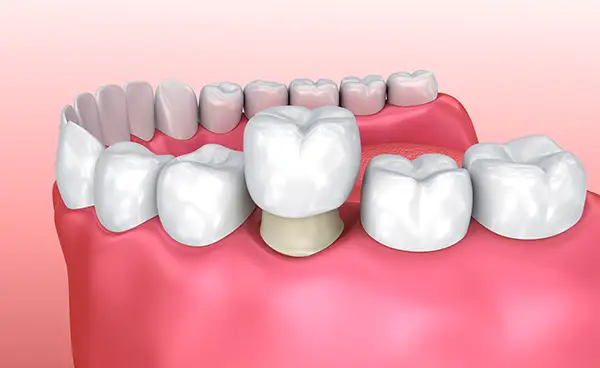
Think of a dental crown as a protective cap that fits over your entire tooth. It's designed to restore the tooth's shape, size, strength, and appearance. Crowns are custom-made to match the color of your surrounding teeth, so they blend in seamlessly with your smile. They are a popular choice in restoration dentistry, aimed at revitalizing damaged or compromised teeth.
Why Might You Need One?
There are several reasons why your dentist might recommend a dental crown:
| • |
To Protect a Weakened Tooth: If you have a tooth that's been heavily filled, has a large crack, or is weakened by decay, a crown can provide the necessary support to prevent it from breaking or fracturing further. |
| • |
To Restore a Broken or Worn Down Tooth: Accidents happen, and teeth can break. Crowns can rebuild and reshape a tooth that has been damaged due to trauma or simply worn down over time. |
| • |
To Cover a Dental Implant: Dental implants are a fantastic way to replace missing teeth, and a crown is often the final step in the process. The crown attaches to the implant, providing a natural-looking and functional replacement tooth. |
| • |
To Hold a Dental Bridge in Place: Bridges are used to fill gaps created by missing teeth. Crowns are placed on the teeth adjacent to the gap, and these crowns serve as anchors to hold the bridge in place. |
| • |
To Cover a Discolored or Poorly Shaped Tooth: Sometimes, a tooth may be severely discolored or misshapen, and a crown can be used to improve its appearance. |
| • |
After a Root Canal: A tooth that has undergone a root canal can become brittle. A crown helps to protect the treated tooth from fracture. |
What to Expect During the Process
Getting a dental crown typically involves two appointments. During the first appointment, your dentist will examine the tooth, take X-rays, and prepare the tooth for the crown. This preparation involves reshaping the tooth so the crown can fit properly. An impression of your tooth will then be taken to create a custom crown. A temporary crown will be placed to protect the prepared tooth until the permanent crown is ready.
At the second appointment, the temporary crown is removed, and the permanent crown is fitted and cemented into place. Your dentist will check the fit and bite to ensure everything is comfortable and functioning properly.
Caring for Your Crown
With proper oral care, a dental crown can last for many years. Continue to brush and floss regularly, just as you would with your natural teeth. Pay special attention to the area where the crown meets the gum line to prevent plaque buildup. Regular dental check-ups and cleanings are also essential for maintaining the health of your crown and your overall oral health. Avoid chewing on hard objects, such as ice or hard candies, as this could potentially damage the crown.
Is a Crown Right for You?
The best way to determine if a dental crown is the right solution for your specific situation is to consult with your dentist. They can assess your individual needs and recommend the most appropriate course of treatment. A dental crown can be a valuable tool in restoration dentistry, helping to improve your smile and protect your oral health for years to come.
|
|





 (513) 445-4282