Diagnosing Gum Disease
Posted on 5/15/2026 by Martin Periodontics |
 Have you ever wondered what that little bit of bleeding is after you brush? Or why your gums sometimes feel a bit tender? These could be early warning signs of gum disease, and understanding how it's diagnosed is the first step toward a healthy smile. Have you ever wondered what that little bit of bleeding is after you brush? Or why your gums sometimes feel a bit tender? These could be early warning signs of gum disease, and understanding how it's diagnosed is the first step toward a healthy smile.
What is Gum Disease?
Gum disease, also known as periodontal disease, is an infection of the tissues that hold your teeth in place. It's usually caused by poor oral care, which allows bacteria in plaque to build up on your teeth and gums. This bacteria then releases toxins that irritate the gums, leading to inflammation.
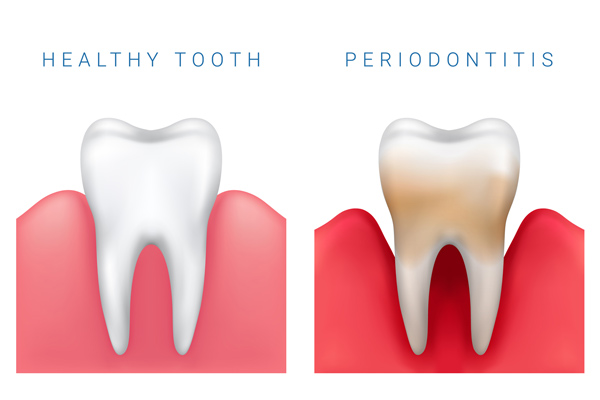
In the early stages, called gingivitis, your gums may become red, swollen, and bleed easily. If left untreated, gingivitis can progress to periodontitis, a more serious form of gum disease. Periodontitis can damage the bone and tissues that support your teeth, eventually leading to tooth loss.
The Diagnostic Process
Diagnosing gum disease involves a thorough examination by a dental professional. Here's what you can expect during a typical appointment:
| • |
Medical History Review: Your dentist will ask about your medical history, including any conditions that might affect your oral health, such as diabetes or heart disease. They'll also inquire about any medications you're taking, as some can contribute to gum disease. |
| • |
Visual Examination: The dentist will carefully examine your gums for signs of inflammation, redness, swelling, and bleeding. They'll also check for any recession, where the gums have pulled away from the teeth, exposing the roots. |
| • |
Probing: This is a key part of the diagnosis. The dentist or hygienist will use a small instrument called a periodontal probe to measure the depth of the pockets between your teeth and gums. Healthy gums have shallow pockets (1-3 millimeters). Deeper pockets indicate gum disease. Measurements are taken at several points around each tooth. |
| • |
X-rays: Dental X-rays are essential for evaluating the bone supporting your teeth. They can reveal bone loss, which is a sign of advanced gum disease. |
| • |
Assessment and Diagnosis: Based on the information gathered from the examination, probing, and X-rays, the dentist will determine the presence and severity of gum disease. They will then explain the diagnosis and discuss treatment options with you. |
Why Early Detection Matters
Early detection of gum disease is crucial for preventing serious complications. Gingivitis is often reversible with improved oral care habits and professional cleanings. However, once periodontitis develops, the damage is often irreversible, and treatment becomes more complex.
Prevention and Maintenance
Maintaining good oral care is the best way to prevent gum disease. This includes:
| • |
Brushing your teeth twice a day with fluoride toothpaste |
| • |
Flossing daily to remove plaque and food particles from between your teeth |
| • |
Using an antimicrobial mouthwash to kill bacteria |
| • |
Visiting your dentist regularly for checkups and professional cleanings |
Sometimes, damage caused by periodontitis can lead to the need for restoration dentistry. Talk with your dentist about all available options.
Taking care of your gums is just as important as taking care of your teeth. By understanding the diagnostic process for gum disease and practicing good oral care, you can protect your smile and overall health.
|
|





 (513) 445-4282