What are the Stages of Gum Disease?
Posted on 6/15/2026 by Martin Periodontics |
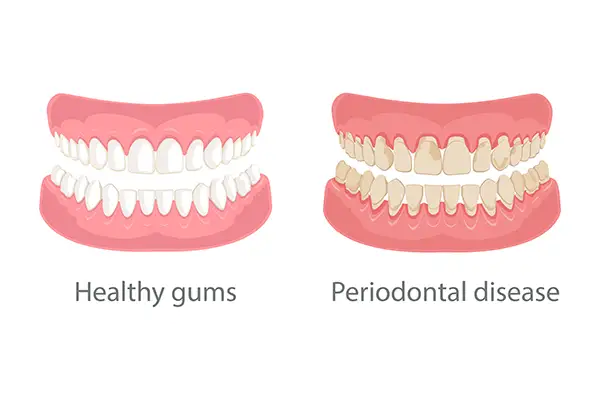 Let's talk about something really important for your oral health: your gums. Healthy gums are the foundation for a healthy smile, but sometimes, things can go wrong. Gum disease, also known as periodontal disease, is a common problem that can sneak up on you. It doesn't always hurt at first, which is why it's so important to understand the different stages and what they mean for your mouth. Let's talk about something really important for your oral health: your gums. Healthy gums are the foundation for a healthy smile, but sometimes, things can go wrong. Gum disease, also known as periodontal disease, is a common problem that can sneak up on you. It doesn't always hurt at first, which is why it's so important to understand the different stages and what they mean for your mouth.
# Gingivitis: The Early Warning Sign
The first stage of gum disease is called gingivitis. Think of it as the "yellow light" of gum health. It's often caused by plaque and bacteria buildup around the gum line. When this happens, your gums might become red, swollen, and bleed easily when you brush or floss. Some people might also notice bad breath.
The good news is that gingivitis is often reversible with good oral hygiene. That means brushing twice a day, flossing daily, and seeing your dentist regularly for checkups and cleanings. By taking these steps, you can often get your gums back to a healthy state.
# Periodontitis: When Things Get More Serious
If gingivitis isn't treated, it can progress to periodontitis. This is where the "red light" comes on. Periodontitis means that the inflammation and infection have started to damage the bone and tissues that hold your teeth in place.
In this stage, your gums might start to pull away from your teeth, forming pockets that become infected. These pockets can trap even more plaque and bacteria, making the problem worse. Over time, periodontitis can lead to bone loss, loose teeth, and eventually, tooth loss.
There are different levels of periodontitis, often described as mild, moderate, or severe, depending on the extent of the damage.
# Advanced Periodontitis: Significant Damage
Advanced periodontitis represents the most severe stage of gum disease. At this point, significant bone loss has occurred, and teeth may become very loose, shift in position, or even fall out. The inflammation and infection can also affect your overall health.
The pockets around the teeth become deeper, and the risk of abscesses (painful infections) increases. Addressing advanced periodontitis often requires more extensive interventions to try and save remaining teeth and prevent further damage.
# Why Knowing the Stages Matters
Understanding the different stages of gum disease is important for a few key reasons. First, early detection allows for more conservative and effective interventions. Addressing gingivitis promptly can prevent it from progressing to periodontitis. Second, recognizing the signs of periodontitis can motivate you to seek help and take action to protect your teeth and gums. Finally, knowing what to expect at each stage can help you make informed decisions about your treatment options.
Remember, preventing gum disease is always better than treating it. By practicing good oral hygiene, eating a healthy diet, and seeing your dentist regularly, you can keep your gums healthy and your smile bright for years to come. Gum health is a team effort, and with the right care, you can keep this common disease at bay.
|
|





 (513) 445-4282