Aesthetic Gum Recontouring
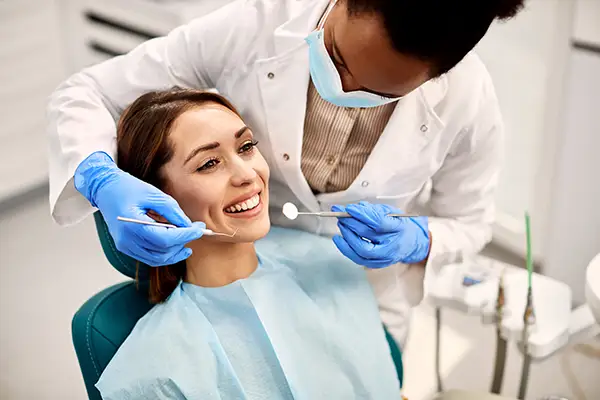 Aesthetic gum recontouring is a cosmetic dental procedure that reshapes the gum line to create a more even, balanced smile. If your gums look uneven, your teeth appear “short,” or you feel you show too much gum when you smile, gum recontouring may help by improving tooth-to-gum proportions and smile symmetry. Aesthetic gum recontouring is a cosmetic dental procedure that reshapes the gum line to create a more even, balanced smile. If your gums look uneven, your teeth appear “short,” or you feel you show too much gum when you smile, gum recontouring may help by improving tooth-to-gum proportions and smile symmetry.
Because the gums frame your teeth, small adjustments to the gum line can make teeth look more consistent in length and help the smile look more harmonious. Depending on your needs, a dentist may perform cosmetic gum reshaping using a dental laser or traditional instruments to refine the contour of the gums.
It is also important to distinguish gum contouring for aesthetics from periodontal treatment that focuses on gum disease. Aesthetic treatment is designed to improve appearance, while disease-focused care addresses infection, inflammation, and bone support. Your evaluation helps determine which approach is appropriate for your smile goals and oral health.
The Problems Gum Recontouring Solves
People often search for uneven gum line correction because the gum line can change how the teeth look, even when the teeth themselves are healthy. Smile gum recontouring is commonly used to improve balance and reduce visual distractions along the gum margins.
| • |
Uneven gum line - When one side sits higher or lower, teeth can look like they are different sizes, especially in photos.
|
| • |
Gummy smile appearance - When more gum shows during a natural smile, the teeth may appear smaller than they are.
|
| • |
“Short-looking” teeth - Extra gum coverage can make teeth look shorter even if tooth structure is normal.
|
| • |
Left-to-right asymmetry - Uneven gum heights between matching teeth can make a smile look off-balance. |
A quick self-check many people notice is how the gums look in photos, when laughing, or when the lip naturally lifts in the mirror. The goal of cosmetic gum contouring is not to create a dramatic or artificial look, but to refine the gum line so it appears smooth, symmetrical, and natural.
Who Is a Good Candidate?
A good candidate for gingival recontouring typically has healthy gums, stable oral hygiene, and cosmetic concerns such as uneven gum heights or a mild-to-moderate gummy smile appearance. The best way to determine candidacy is a professional evaluation, because the ideal gum contour depends on your anatomy and smile line.
A consultation often includes measurements of the gums and teeth, photos, and a discussion of what you want to change. Your dentist may also evaluate gum thickness, bone levels, tooth shape, and bite considerations to ensure the plan supports both esthetics and long-term comfort.
| • |
Often a good fit - Cosmetic unevenness, mild-to-moderate excess gum display, and healthy gums with consistent home care.
|
| • |
Evaluation matters most when - The gum line sits very high/low on certain teeth, the smile line is prominent, or tooth proportions are a primary concern.
|
| • |
May not be appropriate without additional care - Active gum disease, significant bone concerns, or complex bite issues that require coordination with other treatment. |
Candidacy also depends on how much gum versus natural tooth structure is present and whether the protective gum-to-bone relationship (often discussed as the “biologic width”) needs to be preserved. This is one reason why a personalized plan is important for a safe, esthetic outcome.
Aesthetic Gum Recontouring vs Other Smile Options
If you are comparing procedures, it helps to understand what each option changes. Cosmetic gum reshaping changes the gum frame around the teeth, while other treatments change tooth position, shape, or color.
| • |
Gum recontouring vs veneers or crowns - Gum recontouring adjusts the gum line; veneers/crowns change tooth shape, color, and surface appearance. In many cosmetic plans, gum shaping is done first to create even framing.
|
| • |
Gum recontouring vs orthodontics - Orthodontics corrects tooth position and bite; gum recontouring refines the gum line around teeth. If the teeth are well-aligned but gums are uneven, recontouring may be the more direct approach.
|
| • |
Gum recontouring vs crown lengthening - Some cases need additional tooth exposure for restorations or structural reasons. Aesthetic gum recontouring is typically focused on appearance, while crown lengthening may involve deeper tissue considerations depending on the goal and anatomy.
|
| • |
Combination treatments - Recontouring may be paired with whitening, bonding, veneers, or other cosmetic dentistry procedures to optimize symmetry and overall smile balance. |
Scenario-based examples can make comparisons clearer:
If you like your tooth color and shape but the gums look uneven, gum contouring may be the missing step. If the teeth are worn, uneven in color, or chipped, gum reshaping may be paired with bonding or veneers after the gum line is refined.
Laser Gum Recontouring and Technique Options
Many patients ask about laser gum recontouring because technique can affect comfort and precision. In general, dentists may use a dental laser or traditional instruments, depending on the amount of reshaping needed, gum thickness, and your anatomy.
A dental laser can support controlled tissue shaping and detailed contouring in many cosmetic cases. The method is selected based on safety and esthetics, not as a one-size-fits-all approach.
| • |
Dental laser gum recontouring - Often chosen for precision-focused cosmetic contouring and a comfort-oriented experience, when appropriate for the case.
|
| • |
Traditional instruments - May be used when your anatomy, the type of reshaping, or clinical considerations make it the best option.
|
| • |
How the method is chosen - Your dentist considers gum thickness, how much reshaping is planned, the tooth-to-gum relationship, and the esthetic goal. |
Not every patient needs a laser approach, but many offices offer it as part of modern cosmetic gum contouring options. The most important factor is a plan that protects gum health while creating a natural-looking result.
What to Expect During the Procedure
A gum reshaping procedure typically begins with a consultation and planning appointment. Your dentist evaluates your smile, measures the gum line, and discusses what “balanced” means for your facial features, tooth shape, and smile line.
During treatment, the area is numbed to support comfort. The dentist then carefully contours targeted gum areas to improve symmetry and proportions, keeping the final look subtle and natural. The exact process depends on how much reshaping is needed and which technique is selected.
| • |
Consultation and planning - Smile assessment, gum measurements, and discussion of the look you want to achieve.
|
| • |
Comfort measures - Local anesthetic is used to reduce sensitivity during the reshaping.
|
| • |
Reshaping the gum line - Gentle contouring of specific areas to create smoother transitions and more even gum heights.
|
| • |
Review of changes - Depending on office workflow, planning and review may include photographs or mirror evaluation to confirm the intended contour. |
Time varies by the number of teeth involved and the complexity of the changes. Your dentist will explain what to expect for your specific treatment plan.
Recovery, Aftercare, and Healing
Recovery after aesthetic gum recontouring is commonly described as manageable. Many patients notice mild tenderness or sensitivity, and the gum tissue may look slightly different during the early healing phase before it settles into its final contour.
Aftercare focuses on keeping the area clean while allowing the tissue to heal. Your dentist will give instructions tailored to your technique and the amount of reshaping performed.
| • |
Typical healing expectations - Mild tenderness, short-term sensitivity, and temporary changes in gum appearance as tissue heals.
|
| • |
Aftercare basics - Gentle brushing as instructed, avoiding irritating or very hard foods for a short period, and maintaining good oral hygiene.
|
| • |
When to call the office - Unusual discomfort, prolonged bleeding, or concerns about how the gums are healing. |
A follow-up visit may be recommended to confirm healthy healing and evaluate the final gum shape. The final appearance often becomes clearer as the gums fully settle.
Results and Aesthetic Benefits
The goal of aesthetic gum contouring is a more balanced smile that looks natural and fits your facial features. By refining the gum line, teeth may appear more even in length, and the overall smile can look less “gummy” depending on the cause of the excess gum display.
| • |
More even gum line - Smoother transitions and improved symmetry from tooth to tooth.
|
| • |
Balanced tooth proportions - Teeth can look more proportional when excess gum coverage is reduced.
|
| • |
Natural-looking contours - The gum shape is tailored to tooth anatomy and the smile line for an authentic appearance.
|
| • |
Longevity considerations - Results are often stable with good hygiene, though individual anatomy and habits influence long-term appearance. |
Many people describe the effect as teeth looking “longer,” which is often the visual result of revealing more of the natural tooth structure when appropriate. The best-looking results are typically the ones that appear subtle, symmetrical, and well-matched to your smile.
Safety, Risks, and Limitations
When performed by trained dental professionals with proper planning, gingival recontouring is generally considered a safe cosmetic procedure for appropriate candidates. Diagnosis and planning matter because gum tissues protect the teeth, and the gum-to-bone relationship must be respected.
Potential risks can include temporary sensitivity, minor bleeding, uneven healing in some cases, or the need for small refinements to achieve the desired symmetry. These possibilities are part of why a careful evaluation and technique selection are important.
There are also limitations. Some gummy smiles are not primarily caused by the gum line itself. Lip position, tooth eruption patterns, or jaw relationships can contribute to excess gum display. In those cases, gum reshaping alone may not fully address the concern, and your dentist may discuss alternative or combined options.
| • |
Why evaluation matters - Gum health and bone levels help determine how much reshaping is safe and appropriate.
|
| • |
Possible short-term effects - Temporary sensitivity and mild bleeding can occur, especially in early healing.
|
| • |
Outcome limits in certain cases - If excess gum display is driven by factors beyond the gum line, other treatments may be recommended. |
A consultation is the best time to ask questions about technique, expected esthetic changes, recovery, and how your individual anatomy affects the plan.
Cost Factors and How Pricing Is Determined
Pricing for cosmetic gum reshaping is personalized because treatment can range from small refinements to more involved reshaping across multiple teeth. A consultation is typically needed to provide an accurate estimate and explain what is included.
| • |
Number of teeth involved - Treating one area versus multiple teeth can change overall complexity.
|
| • |
Complexity of the reshaping - More asymmetry or a more detailed contour plan can require additional planning and time.
|
| • |
Technique used - Laser versus other methods may influence the clinical approach and the resources used.
|
| • |
Combination treatments - If recontouring is paired with whitening, bonding, veneers, or other smile enhancements, total pricing can change.
|
| • |
Follow-up needs - Some plans include follow-up visits to confirm healing and refine outcomes when needed. |
If insurance questions come up, the team at Martin Periodontics can help explain how coverage may apply and what to expect based on your situation.
FAQs
Does gum recontouring hurt?
Aesthetic gum recontouring is typically performed with local anesthetic to keep the procedure comfortable. Afterward, many patients report mild tenderness or sensitivity that improves as healing progresses. Your dentist can recommend aftercare steps to support comfort based on the technique used and the areas treated.
How long does healing take?
Healing varies depending on how much reshaping is performed and your individual tissue response. Many people feel improvement quickly, while the gums continue to settle visually over time. Your dentist will explain what healing typically looks like for your specific gum reshaping procedure and whether a follow-up visit is recommended.
Will my gums grow back?
In many cosmetic cases, results can remain stable when the treatment plan respects the natural gum-to-bone relationship and you maintain good oral hygiene. However, healing patterns and gum position can vary by person, and some situations may require refinement. Your dentist will discuss what is realistic based on your anatomy and goals.
Is laser gum recontouring better?
Laser gum recontouring can be a precise and comfort-focused option for many patients, but it is not automatically the best choice for every case. The ideal technique depends on gum thickness, the amount of reshaping needed, and your specific anatomy. A consultation helps determine whether a laser or another approach is most appropriate.
Can this fix a gummy smile completely?
Gum recontouring can reduce the appearance of a gummy smile when excess gum coverage is a main contributor. If the gummy smile is primarily related to lip position, tooth eruption patterns, or jaw relationships, additional or alternative treatments may be needed to reach your desired result. Your dentist will explain what gum reshaping can realistically change in your situation.
Can gum recontouring be combined with veneers, bonding, or whitening?
Yes, gum recontouring is often combined with other cosmetic dentistry procedures. Recontouring can improve gum symmetry first, while whitening, bonding, or veneers can refine tooth color and shape afterward. Your dentist can recommend a sequence that supports both esthetics and healthy gum healing.
How do I know if I need crown lengthening instead?
A consultation is the best way to tell, because crown lengthening may be recommended when more tooth exposure is needed for functional or restorative reasons, not just cosmetics. Your dentist will evaluate gum health, bone levels, tooth structure, and your esthetic goals to determine whether aesthetic recontouring is appropriate or if crown lengthening is a better match.
Schedule a Consultation
If you are considering aesthetic gum recontouring to improve gum symmetry, reduce a gummy smile appearance, or make teeth look more proportional, an evaluation can clarify what is possible for your unique smile. At Martin Periodontics, your visit includes an assessment of your gum line and smile goals, a discussion of technique options, and a personalized plan based on comfort, safety, and esthetics.
To schedule an appointment, call (513) 445-4282. You can also request an appointment to discuss aesthetic gum recontouring and the treatment options that best match your goals. If you have insurance questions, the team can review general coverage considerations by phone. |