Bleeding Gums Treatment Specialists
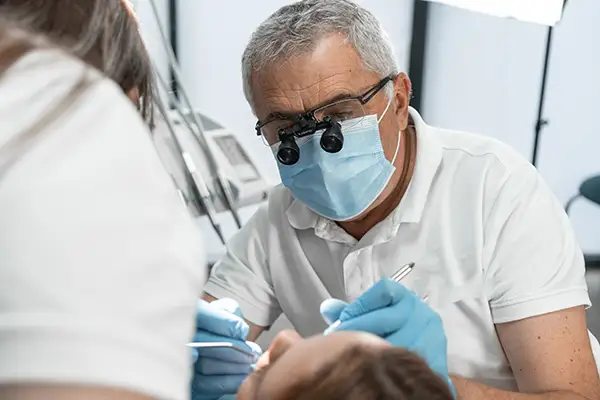 If your gums bleed when you brush or floss, it usually means the gum tissue is inflamed or irritated. For many people, bleeding starts as a sign of gingivitis (early gum inflammation caused by plaque at the gumline). In other cases, bleeding gums can signal periodontal disease, where the supporting structures around the teeth begin to break down over time. If your gums bleed when you brush or floss, it usually means the gum tissue is inflamed or irritated. For many people, bleeding starts as a sign of gingivitis (early gum inflammation caused by plaque at the gumline). In other cases, bleeding gums can signal periodontal disease, where the supporting structures around the teeth begin to break down over time.
When people search for bleeding gums treatment specialists, they often mean a dental team that can identify why bleeding is happening and provide the right level of care, from early gingivitis treatment to advanced periodontal treatment for bleeding gums when needed. At Martin Periodontics, bleeding gums treatment may involve hygienist-led therapy, periodontal charting, and a focused plan to treat gum inflammation and protect long-term tooth support.
Bleeding is commonly discovered while brushing or flossing, along with signs like tender gums, puffiness at the gumline, or persistent bad breath. The reassuring part is that many cases are treatable, especially when addressed early with a proper gum disease evaluation and consistent follow-through.
When Bleeding Gums Are a Sign You Need Treatment
Occasional bleeding one time after being too aggressive with floss can happen, but recurring bleeding is different. If your gums bleed repeatedly, it often means inflammation is present at the gumline. Professional evaluation matters because the cause is not always visible, and treatment depends on whether the issue is limited to surface inflammation (gingivitis) or has progressed deeper (periodontitis).
Patterns that suggest inflammation rather than a one-time irritation include bleeding that happens most days, bleeding that starts easily with gentle brushing, or bleeding with flossing that does not improve after consistent technique.
| • |
Occasional bleeding - May happen after brushing too hard, using a new floss technique, or irritating one area, and often settles quickly if the tissue is otherwise healthy.
|
| • |
Recurring bleeding - Often indicates plaque-related inflammation and needs an exam to determine whether it is gingivitis or periodontal disease.
|
| • |
Bleeding plus swelling - Puffy, red gums that bleed easily are common signs of gum inflammation that benefits from professional cleaning and targeted home-care coaching. |
Certain warning signs make prompt dental care especially important, because they can point to infection, deeper pocketing, or loss of support around teeth.
| • |
Swelling or increasing tenderness - Can indicate progressing inflammation or localized infection.
|
| • |
Pus, drainage, or a bad taste - May signal an abscess or active periodontal infection.
|
| • |
Gum recession - When gum tissue pulls back, roots may be exposed and plaque control becomes harder.
|
| • |
Loose teeth or shifting bite - Can be associated with advanced periodontal breakdown and should be evaluated quickly.
|
| • |
Persistent bad breath - Can be linked to gum disease activity and bacterial buildup below the gumline. |
Bleeding can also be worsened by tobacco use, dry mouth, and certain health conditions that affect the mouth’s inflammatory response. If you are thinking “why do my gums bleed” or “is gum bleeding serious,” an in-office exam helps clarify what is happening and what level of treatment is needed to stop bleeding gums in a sustainable way.
Common Causes of Bleeding Gums
Bleeding gums usually come from inflammation at the gumline, but the reason inflammation started can vary. Understanding the cause helps match you with the most effective bleeding gums treatment and prevents the problem from returning.
| • |
Plaque buildup along the gumline - Plaque bacteria irritate the gums, leading to gingivitis and easy bleeding.
|
| • |
Tartar (calculus) buildup - Hardened deposits trap bacteria and make gums more inflamed, often requiring professional removal.
|
| • |
Periodontitis and periodontal pockets - As disease progresses, the gum can detach from the tooth, creating deeper spaces where bacteria thrive.
|
| • |
Aggressive brushing or floss trauma - Brushing too hard, snapping floss, or using a stiff brush can irritate tissue and worsen bleeding.
|
| • |
New flossing routine - If you recently started flossing, gums may bleed initially, but bleeding should improve with correct, gentle technique and clean gum margins.
|
| • |
Poorly fitting dental appliances - Ill-fitting retainers, partials, or guards can irritate gums and create plaque-trapping areas.
|
| • |
Hormonal changes - Hormone shifts can increase gum sensitivity to plaque for some patients.
|
| • |
Medications that affect bleeding - Some medications can make gums more likely to bleed or can contribute to dry mouth, increasing plaque risk.
|
| • |
Nutritional factors and dry mouth - Low saliva flow can raise plaque accumulation, and nutrition can influence gum tissue resilience.
|
| • |
Plaque traps from dental factors - Crowded teeth, bridges, retainers, partials, and older restorations can create areas where plaque is harder to remove. |
Simple technique habits can reduce unnecessary irritation while you pursue care: use a soft-bristled brush, aim bristles gently toward the gumline, and clean between teeth consistently without snapping floss. These steps support treatment, but persistent bleeding still deserves a professional gum disease evaluation to rule out deeper periodontal pockets or plaque buildup you cannot reach at home.
What to Expect at a Bleeding Gums Evaluation
A bleeding gums evaluation is designed to find the cause and measure severity, not just “clean what you can see.” At Martin Periodontics, the appointment typically includes a review of your medical and dental history, including medications and relevant health conditions, because these factors can influence inflammation, healing, and bleeding risk.
A key part of the exam is periodontal charting, also known as gum pocket measurement. Your dental team gently measures the space between the gum and the tooth at multiple points.
In plain language, gum pockets are the small crevice where the gum hugs the tooth. Healthy gums tend to fit snugly, making the space easier to keep clean. When inflammation progresses, the gum can loosen and the space can deepen, allowing bacteria and tartar to build up below the gumline.
During the evaluation, your dental team may assess:
| • |
Bleeding points - Where gums bleed with light stimulation, which often indicates active inflammation.
|
| • |
Pocket depths - Deeper readings can suggest periodontal involvement that may require deep cleaning or advanced therapy.
|
| • |
Recession - Areas where the gum has receded, changing how plaque collects and how sensitive roots may be.
|
| • |
Plaque and tartar levels - Especially along the gumline and in hard-to-reach areas.
|
| • |
Inflammation signs - Redness, swelling, and tissue texture changes. |
When indicated, X-rays or imaging may be taken for bone loss assessment. Bone support is a major divider between gingivitis and periodontitis, because gingivitis is inflammation without bone loss, while periodontitis involves breakdown of supporting bone and ligament over time.
The goal is a clear diagnosis, such as gingivitis, periodontitis, or another cause of bleeding, followed by a plan for bleeding gums therapy that fits your measurements, risk factors, and comfort needs.
Professional Treatment Options to Stop Bleeding Gums
Professional treatment focuses on removing the irritants that keep gums inflamed and on changing the environment so gums can heal and reattach more tightly around the teeth. The right plan depends on whether inflammation is limited to the gumline or has extended deeper into periodontal pockets.
Common treatment options include:
| • |
Professional cleaning - For mild disease, thorough plaque and tartar removal can significantly reduce bleeding and swelling when paired with consistent home care.
|
| • |
Deep cleaning for gum disease - Also called scaling and root planing, used when measurements show pockets or when buildup exists below the gumline.
|
| • |
Localized antimicrobial therapy - In certain cases, targeted antimicrobial support may be recommended to reduce bacterial load in specific areas.
|
| • |
Periodontal maintenance - A structured maintenance schedule designed for patients who have had periodontal inflammation or pocketing, focused on keeping bacteria controlled and monitoring changes over time.
|
| • |
Addressing contributing factors - Home-care coaching, correcting plaque traps, adjusting appliances, and reviewing factors like dry mouth or tobacco use that can worsen inflammation. |
It helps to understand the difference between scaling and root planing:
| • |
Scaling - Removal of plaque and tartar from tooth surfaces, including below the gumline where a toothbrush cannot reach.
|
| • |
Root planing - Smoothing the root surface to help gums heal, reduce bacterial attachment, and encourage healthier re-adaptation of the tissue. |
Typical outcomes include less bleeding, reduced swelling, improved comfort, and healthier gum attachment over time. Healing is often gradual rather than instant, and follow-up matters because gum tissue can look improved before deeper areas are fully stabilized. Consistent care is what turns “it’s better this week” into lasting improvement.
Advanced or Specialist-Level Periodontal Care
Some people specifically search for a periodontal specialist because they suspect advanced disease or have already been told they have periodontitis. Specialist-level care is usually considered when measurements show deeper pockets, imaging indicates bone loss, or inflammation returns despite appropriate therapy and maintenance.
Indicators that advanced care may be needed include:
| • |
Deeper periodontal pockets - Deeper spaces are harder to keep clean and may require advanced treatment beyond routine cleaning.
|
| • |
Bone loss from gum disease - Evidence of support loss often changes the treatment approach and long-term maintenance needs.
|
| • |
Recurring inflammation - Bleeding and swelling that persist despite deep cleaning and consistent maintenance can signal ongoing risk factors or sites needing targeted therapy.
|
| • |
Progressive recession or tooth mobility - These can reflect advanced periodontal breakdown that benefits from specialist planning. |
Advanced gum disease sometimes needs more than cleaning because bacteria and inflammation can persist in deeper areas, and structural changes can make plaque control difficult even for motivated patients. Depending on findings, advanced options may include targeted periodontal therapies, surgical approaches when needed to access deep deposits, and regenerative strategies when appropriate for certain defects.
A coordinated care model can help many patients: a general dentist and hygienist team managing ongoing health and maintenance, with periodontal-focused treatment planning or referral when pocket depth, bone levels, and risk factors indicate it would improve stability and outcomes.
At-Home Care That Supports Professional Bleeding Gums Treatment
If you are trying to figure out how to stop bleeding gums right now, the most helpful mindset is support, not self-treatment. At-home care can reduce irritation and help gums heal after professional therapy, but persistent bleeding still deserves evaluation to confirm there is not deeper pocketing, tartar buildup, or active periodontal infection.
Supportive home care strategies include:
| • |
Brush gently and consistently - Use a soft brush and angle toward the gumline to clean the margin without scrubbing trauma.
|
| • |
Clean between teeth daily - Interdental cleaning removes plaque where brushing cannot reach and supports gum healing when done gently and correctly.
|
| • |
Use antimicrobial rinses only as recommended - Overuse or inappropriate use can irritate tissue or mask symptoms without addressing the cause.
|
| • |
Manage dry mouth - Hydration and dry-mouth strategies can reduce plaque risk by improving oral moisture and comfort.
|
| • |
Avoid tobacco - Tobacco can worsen gum disease risk and can interfere with gum healing and long-term stability. |
What not to do matters just as much:
| • |
Do not stop flossing entirely - Plaque between teeth can keep inflammation active; instead, improve technique and be consistent.
|
| • |
Do not brush harder - More force often increases trauma without improving plaque removal.
|
| • |
Do not ignore bleeding for weeks - Ongoing bleeding can be a sign of progression from gingivitis toward periodontitis. |
Signs of improvement often include less bleeding, less swelling, and less tenderness with gentle consistency and after professional plaque and tartar removal. If bleeding persists, a dental exam is the safest way to identify the reason and choose the right bleeding gums treatment options.
Prevention and Long-Term Maintenance
Bleeding gums often returns when the bacterial load around the gumline builds up again, especially in hard-to-clean areas or when periodontal pockets are present. Long-term stability is less about a single visit and more about maintenance, monitoring, and reducing risk factors that feed inflammation.
A key concept is the difference between routine cleanings and periodontal maintenance:
| • |
Routine cleaning - Focuses on removing plaque and tartar from accessible areas to prevent disease in patients without periodontal pocketing or history of periodontitis.
|
| • |
Periodontal maintenance - Focuses on controlling bacteria in deeper areas, monitoring pocket measurements and bleeding points, and preventing recurrence in patients with a history of periodontal inflammation or pocketing. |
Long-term prevention habits that support healthy gums include:
| • |
Regular hygiene visits - Professional removal of tartar and ongoing monitoring help stop small problems from becoming advanced disease.
|
| • |
Consistent home care - Daily brushing plus interdental cleaning reduces the plaque that triggers inflammation.
|
| • |
Replace brush heads - Worn bristles clean less effectively and can increase irritation.
|
| • |
Clean carefully around restorations - Crowns, bridges, and older fillings can create edges that trap plaque if not cleaned thoroughly.
|
| • |
Risk factor management - Dry mouth support, tobacco avoidance, and overall health stability can reduce inflammation risk (without replacing medical care for systemic conditions). |
Ongoing monitoring typically includes repeating periodontal charting over time, checking bleeding points, and evaluating inflammation patterns. This is how a dental team confirms that treatment is working and that gum health is stable rather than temporarily improved.
FAQs
Why do my gums bleed when I brush?
Bleeding gums are commonly caused by plaque-related inflammation at the gumline (gingivitis). If bleeding happens repeatedly, a dental exam can determine whether it is early inflammation or a sign of periodontal disease that needs deeper treatment.
Is bleeding when flossing normal?
Bleeding can occur if gums are inflamed or if flossing is done too aggressively. If you recently started flossing, mild bleeding may improve with gentle, consistent technique, but ongoing bleeding should be evaluated for gingivitis or gum disease.
How long does it take for bleeding gums to improve after treatment?
Many patients notice reduced bleeding and swelling within days to a few weeks after professional cleaning and improved daily plaque control. If periodontal pockets are present, improvement can take longer and typically requires follow-up and periodontal maintenance.
Do I need a specialist for bleeding gums?
Not always. Many cases are managed by a general dentist and hygienist team with periodontal evaluation and therapy. If measurements show deeper pockets, bone loss, or recurring inflammation, periodontal specialist-level care may be recommended.
What’s the difference between gingivitis and periodontitis?
Gingivitis is gum inflammation caused by plaque and is typically reversible with professional cleaning and consistent home care. Periodontitis involves deeper infection and breakdown of tooth support, often with periodontal pockets and possible bone loss, and requires ongoing treatment and maintenance.
Can gum disease be reversed?
Gingivitis can often be reversed because it is inflammation without loss of support. Periodontitis is generally managed rather than fully reversed, with treatment aimed at reducing infection, stabilizing pockets, and protecting bone and gum attachment over time.
What if bleeding gums keep coming back?
Recurring bleeding can mean plaque is rebuilding at the gumline, tartar is present, or periodontal pockets are not fully controlled. A periodontal evaluation can identify the cause and determine whether you need deep cleaning, antimicrobial support, or a periodontal maintenance schedule.
Schedule a Bleeding Gums Evaluation
If you have recurring gum bleeding, tenderness, swelling, or persistent bad breath, an evaluation can identify whether you are dealing with gingivitis, periodontitis, or another cause of inflammation. At Martin Periodontics, the focus is an individualized diagnosis and a plan that matches your pocket measurements, bone support findings when indicated, and contributing risk factors.
Call our office at (513) 445-4282 to schedule an evaluation for bleeding gums.
Request an appointment to review bleeding gums treatment options and next steps, including how periodontal maintenance may support long-term stability.
If you have insurance coverage questions, call the office to learn more about benefits and how they may apply to your evaluation and treatment plan. |