Mini Dental Implants for Denture Stabilization
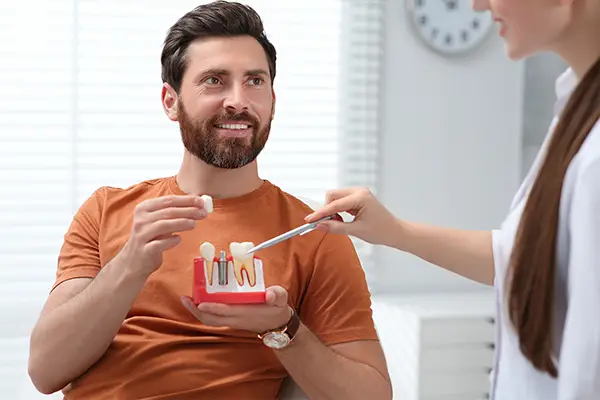 If your dentures slip, rub, click, or feel insecure, mini dental implants for denture stabilization may help by adding small anchor points in the jaw so a denture can “snap” into place instead of relying only on gum support. The goal is simple: reduce denture movement so eating, speaking, and daily wear feel more stable and comfortable for many patients. This option is often researched by people with loose lower dentures, ongoing sore spots, denture adhesive fatigue, or trouble chewing confidently. If your dentures slip, rub, click, or feel insecure, mini dental implants for denture stabilization may help by adding small anchor points in the jaw so a denture can “snap” into place instead of relying only on gum support. The goal is simple: reduce denture movement so eating, speaking, and daily wear feel more stable and comfortable for many patients. This option is often researched by people with loose lower dentures, ongoing sore spots, denture adhesive fatigue, or trouble chewing confidently.
Quick Answer: How Mini Dental Implants Stabilize Dentures
Mini dental implants for denture stabilization refers to using small-diameter dental implants as secure anchors that help hold a denture in place. Rather than the denture resting only on the gums (which can shift during speaking or chewing), the denture connects to the implants through retentive components so it can “lock” more securely.
Many people explore mini implants for dentures after experiencing daily frustrations like sliding while talking, difficulty eating, embarrassment in public, and recurring gum soreness from movement. A helpful way to picture it is that a denture can snap onto small anchors, reducing the rocking and lifting that often leads to irritation and dependence on adhesive.
Day-to-day, many patients describe the change as more stability, less rubbing, and improved confidence, especially during meals and conversations. Outcomes can vary based on bite forces, denture condition, and anatomy, but the goal is predictable: improve retention and reduce movement-related discomfort for eligible patients seeking loose denture solutions.
The Real Problem: Why Dentures Get Loose Over Time
Dentures often become looser because the jawbone naturally changes after tooth loss. When teeth are missing, the bone that once supported them can gradually shrink over time. This is especially noticeable in the lower jaw, where less surface area and strong tongue and cheek muscles can make stability harder to maintain. As the foundation changes, a denture that once fit well may begin to rock, lift, or shift.
Adhesives can help temporarily, but they do not stop the underlying changes. Many people find that adhesives become frustrating when they need frequent reapplication, still allow movement, or create mess and taste issues. As fit changes, the denture can create pressure points that lead to sore spots, inflammation, and reduced chewing efficiency.
Relines can improve contact between the denture and gums by reshaping the inside surface, and they can be an important step for comfort. However, for some patients, even a good reline cannot fully overcome lower denture instability, especially when bone changes are significant. That is why people often compare options like denture reline vs implants when searching for longer-term retention solutions.
What Mini Dental Implants Are
A mini dental implant is a small-diameter implant designed to act as an anchor within the jaw. For denture wearers, the implant’s purpose is typically retention and stabilization rather than replacing each missing tooth individually. The implant sits in bone, and the denture is adapted so it can connect to the implants using retentive parts.
Compared with traditional implants, mini implants are smaller in diameter and often placed using a more conservative approach. When people hear “minimally invasive,” in practical terms it often means a smaller placement site and less disruption to surrounding tissues, though the exact approach depends on your anatomy and treatment plan.
Mini implants are frequently used for lower denture stabilization, where looseness is common. How many implants are used and where they are placed depends on your bone, bite, denture design, and functional goals. Candidacy is individualized and influenced by anatomy, health history, and the condition of the current denture.
How Denture Stabilization Works
With denture stabilization implants, the denture is retained by attachments that create a secure connection to the implant anchors. Patients often describe the feel as the denture “snapping in,” rather than floating or sliding on the gums.
Once retained, everyday function can feel more controlled. Chewing, speaking, laughing, and smiling often feel less stressful when the denture is less likely to lift or rock. Reduced movement can also lessen irritation for many people because there is less rubbing against gum tissue.
To make the connection work properly, the denture may need to be modified so the retentive components fit accurately. This helps the denture seat fully and evenly, improving comfort and reducing clicking or shifting. In the “before” scenario, many patients rely on adhesives and still experience slipping. In the “after” scenario, the denture typically has more secure retention through the implant anchors, supporting the goal to stop dentures from slipping.
Benefits Patients Care About Most
Patients researching denture stabilization options usually care less about the technical details and more about day-to-day life improvements. Common benefits that matter most include:
| • |
More stability while eating - Many patients find chewing feels more secure, with less lifting or rocking during meals.
|
| • |
Improved comfort during speaking - Reduced shifting can help speech feel more natural and less distracting.
|
| • |
Fewer sore spots for many patients - Less movement can mean less friction and fewer pressure-related irritations.
|
| • |
Less reliance on adhesive - Many people appreciate needing less paste or powder to feel secure.
|
| • |
Confidence in public - A denture that holds more reliably can reduce worry about slipping, clicking, or movement.
|
| • |
Potentially shorter overall timeline in some cases - Depending on anatomy and plan, treatment may be completed faster than some alternatives. |
Results vary. Denture quality, bite forces, oral habits, and bone anatomy all influence outcomes. A clinical evaluation is the best way to understand what you can realistically expect.
Mini Dental Implants vs Traditional Implants for Dentures
Both mini and traditional implants can be used for implant supported dentures, but they differ in size and how they are typically placed. Mini implants have a smaller diameter, while traditional implants are wider and may be recommended in situations where greater load distribution is needed.
Healing and procedure considerations vary by person. Some plans may allow the denture to be stabilized sooner, while others require a more phased approach for comfort and predictability. Traditional implants may be recommended when your bite forces are higher, when bone conditions favor a different design, or when a specific denture/attachment approach is most predictable for your situation.
Long-term success depends on more than implant type. Bone levels, oral hygiene, clenching or grinding, denture design, and follow-up care all play important roles. The safest plan is determined through an exam and imaging, where your dental team can compare mini dental implants vs traditional implants based on how each option fits your anatomy and goals.
Who Is a Good Candidate
Many people who benefit most are denture wearers seeking better retention, especially those with loose lower dentures. A good candidate is typically someone who wants improved stability and understands that the plan must match their bone, bite, and denture design.
Common factors your evaluation will consider include gum health, available bone, bite alignment, and the condition of the current denture. Health factors can also affect candidacy, including smoking, uncontrolled medical conditions, and certain medications that can influence healing or bone health.
If bone loss is present, that does not automatically rule out treatment, but it does mean careful planning is essential and alternatives may be discussed. A practical self-check can help you decide if it’s worth exploring:
| • |
You use adhesive frequently - Especially if you still feel looseness or movement.
|
| • |
You have recurring sore spots - Irritation that returns even after adjustments.
|
| • |
You struggle to chew comfortably - Avoiding foods due to instability or pain.
|
| • |
Your denture shifts when you talk or laugh - Movement that affects confidence and speech.
|
| • |
You notice rocking or clicking - Signs the denture isn’t seating securely. |
Eligibility is confirmed through an exam and imaging at Martin Periodontics, where your anatomy and denture condition can be reviewed for the safest approach.
The Treatment Process Step-by-Step
Knowing what to expect helps many patients feel calmer about treatment. While each plan is customized, the process often follows a consistent sequence.
| 1. |
Initial visit and evaluation
|
| 2. |
Treatment planning
|
| 3. |
Placement visit
|
| 4. |
Denture connection and stabilization
|
| 5. |
Follow-up care and adjustments |
At the initial visit, your dental team typically reviews your concerns, examines your mouth and denture, and takes imaging to evaluate bone and anatomy. Planning then focuses on where retention will be most effective and what attachment approach best matches your denture and bite.
During the placement visit, many patients report a more straightforward experience than they expected, though comfort levels and post-visit soreness vary. “Same day” can mean that denture stabilization may be possible on the day of placement in some cases, while other cases benefit from a phased timeline for comfort, healing, and long-term predictability.
Follow-up visits are important for fine-tuning comfort and bite balance. Small adjustments can reduce sore spots, improve the way the denture seats, and help you adapt to the new feel of improved retention.
Healing, Aftercare, and Maintenance
Healing experiences vary, but many patients notice a short adjustment period as tissues settle and the denture’s fit is refined. Early on, your dental team may recommend avoiding very hard or sticky foods and following specific guidance based on your case.
Long-term success depends heavily on cleaning and routine maintenance. Implants and attachments need regular care to reduce inflammation risk and keep retention working well. Practical habits may include:
| • |
Daily cleaning around the implants - Use the tools recommended by your dental team to keep the gumline clean.
|
| • |
Cleaning the denture and attachment areas - Pay attention to the parts that contact the retentive components.
|
| • |
Using flossing aids as recommended - Some patients benefit from specialized flossers or brushes.
|
| • |
Considering a water flosser - Helpful for some patients, depending on anatomy and dexterity. |
Maintenance expectations can include normal attachment wear over time, possible periodic relines, and standard denture upkeep. Regular checkups help ensure the implants, gums, and denture fit remain healthy and functional.
Contact Martin Periodontics if you notice persistent soreness, inflammation that does not improve, clicking that returns, looseness, or difficulty snapping the denture in properly.
Potential Limitations and Risks
Mini implant denture stabilization is not right for everyone. Anatomy, bone availability, bite forces, and health history can limit candidacy or influence which treatment is safest.
Possible issues can include temporary soreness, inflammation if hygiene is difficult, attachment wear that reduces retention, and implant failure risk factors. Grinding or clenching can increase stress on implants and attachments, and denture design plays a major role in how forces are distributed.
Risk reduction typically involves good planning, careful bite adjustment, ongoing hygiene, and routine follow-ups. If concerns arise early, addressing fit and inflammation promptly can prevent small problems from becoming larger ones. Individualized recommendations based on an exam and imaging are essential for predictable results and informed decision-making.
Alternatives for Denture Stability
Mini implants are one option among several denture retention options. The best choice depends on your priorities, anatomy, and whether you want a removable or non-removable solution.
| • |
Denture reline or remake - Can improve fit and comfort, but may not fully stabilize lower dentures for some patients.
|
| • |
Traditional implant-supported overdentures - May be recommended when implant size or force distribution needs differ.
|
| • |
Fixed implant bridges - For those who qualify and want a non-removable option, based on anatomy and goals.
|
| • |
Adhesives - Helpful as a temporary support, but often fall short when bone changes and instability progress. |
A professional evaluation helps match your goals to the safest and most predictable plan, whether that involves implants, denture modification, or a different approach entirely.
Common Questions About Mini Dental Implants for Denture Stabilization
FAQs
Does it hurt to get mini dental implants for denture stabilization?
Most patients report that the appointment is more manageable than they expected, but experiences vary. It is common to have some soreness afterward, and comfort is typically supported with personalized instructions and follow-up adjustments as needed.
How long does mini implant denture stabilization take?
Timelines depend on your anatomy, denture condition, and treatment plan. Some cases may allow stabilization on the placement day, while others use a phased approach with follow-up visits to support healing and comfort.
Will my current denture work, or will I need a new one?
It depends on the denture’s fit, strength, and design. Some dentures can be modified to connect to implants, while others may need to be remade for better support, comfort, and long-term predictability.
Can mini dental implants help stabilize a lower denture?
Yes, lower denture stabilization is one of the most common reasons patients consider mini implants. Because lower dentures often have less natural stability, adding implant anchors can reduce lifting and rocking for many eligible patients.
What if I have bone loss?
Bone loss is common after tooth loss, and it affects which stabilization options are safest. An exam and imaging are needed to evaluate bone levels and determine whether mini implants, traditional implants, or another approach is the best match for your anatomy and goals.
How long do mini implants and denture attachments last?
Longevity varies based on hygiene, bite forces, oral habits, and follow-up care. Attachments can wear over time and may need periodic maintenance or replacement, while implants are designed for long-term function when health and care factors support stability.
What if I have dental anxiety?
Dental anxiety is common, and many patients feel better after understanding each step and what comfort options are available. Sharing your concerns during the evaluation helps your dental team personalize communication, pacing, and comfort support during treatment.
Cost and Insurance Considerations
The investment for mini dental implants cost related treatment varies because plans are customized. Factors that commonly influence total cost include the condition of your denture, the type of attachments needed, imaging requirements, whether any preparatory care is recommended, and the overall complexity of your bite and anatomy.
An exam is necessary for an accurate estimate because two patients with the same complaint may need different stabilization approaches. Financing and payment options vary by office. If you plan to use dental insurance, calling Martin Periodontics is the best way to learn what your benefits may include and how coverage might apply to your evaluation and treatment plan.
Schedule an Evaluation
If you want a clear answer on whether mini dental implants for denture stabilization can help stop your denture from slipping, call Martin Periodontics to schedule an implant evaluation. At your visit, you can expect an exam, imaging, a candidacy review, and a personalized plan based on your goals and anatomy. Bringing your current dentures (and any prior dental records if available) can help your dental team evaluate fit, function, and the best stabilization approach. Call (513) 445-4282 to schedule an appointment for a mini dental implant denture stabilization evaluation. |